According to the data from the Passenger Federation, in 2021, the cumulative sales of new energy vehicles in my country will be 2.989 million, a year-on-year increase of 169.1%. In 2022, the sales of new energy vehicles in my country are expected to exceed 6 million.
A global consensus has been formed to achieve carbon peaking and carbon neutrality. my country has formulated the "dual carbon" strategic goal of achieving carbon peaking in 2030 and carbon neutrality in 2060, vigorously developing new energy vehicles, and fully embracing electrification. There is no doubt that It is the best way to realize the new four modernizations of automobiles, break through the original shackles of the industry, and reshape the future travel industry pattern. It has become the consensus of most people in the industry and the choice of the consumer market. Recently, with BYD Auto's announcement to stop the production of fuel vehicles, this marks that BYD has become the first car company in the world to officially announce the discontinuation of fuel vehicles. In the future, more car brands will focus on pure electric and plug-in hybrid vehicles.
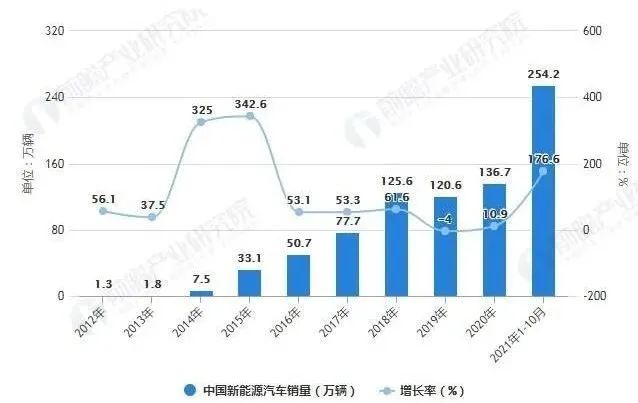
Sales and growth of new energy vehicles in China from 2012 to 2021 (unit: 10,000 units, %)
Under the influence of the epidemic in the past two years, the overall sales market of automobiles has been affected, but the development speed and market share of new energy vehicles are still increasing rapidly. Growth in holdings.
Construction status of new energy vehicle energy supplement infrastructure
As a "gas station" for new energy vehicles, the construction of energy-replenishing infrastructure affects the development of the entire new energy vehicle industry.
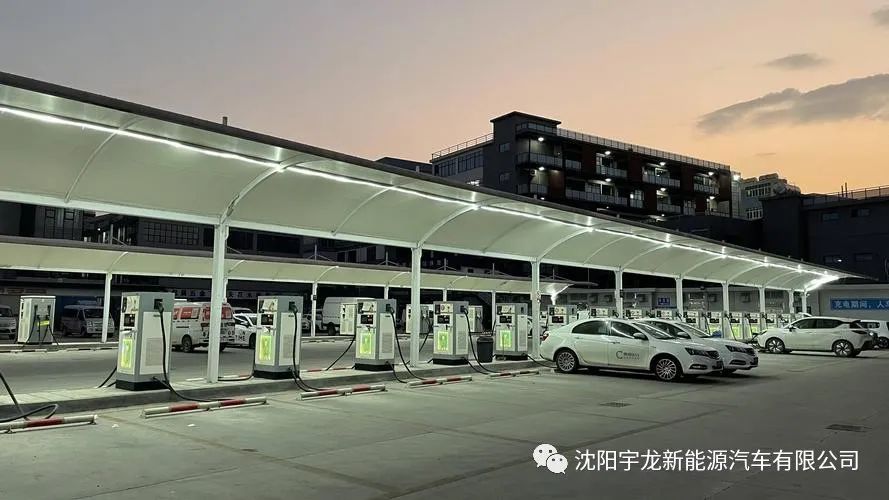
The current status quo is that the vehicle-to-pile ratio continues to rise, but the utilization rate of public charging piles is not optimistic. Fuel vehicles occupy space, the distribution of charging piles is uneven, the charging time is too long, and the proportion of DC fast charging piles is too small. solved problem.
The charging demand of new energy vehicles generally shows a tidal law, that is, the charging load is concentrated in several periods of the day, and instantaneous load changes will cause local power equipment overload and cause risks. Therefore, flat peaks and valleys have become a practical and effective solution.
The role of energy storage systems in urban fast charging infrastructure
The power exchange mode of new energy vehicles, the storage battery of the power station, and the centralized charging method at a specified time period can be understood as a device that uses a lithium battery as an energy storage carrier to store electrical energy and supply electrical energy for a certain period of time. Features such as energy density, high conversion efficiency and fast response can be understood as a large "charging treasure".
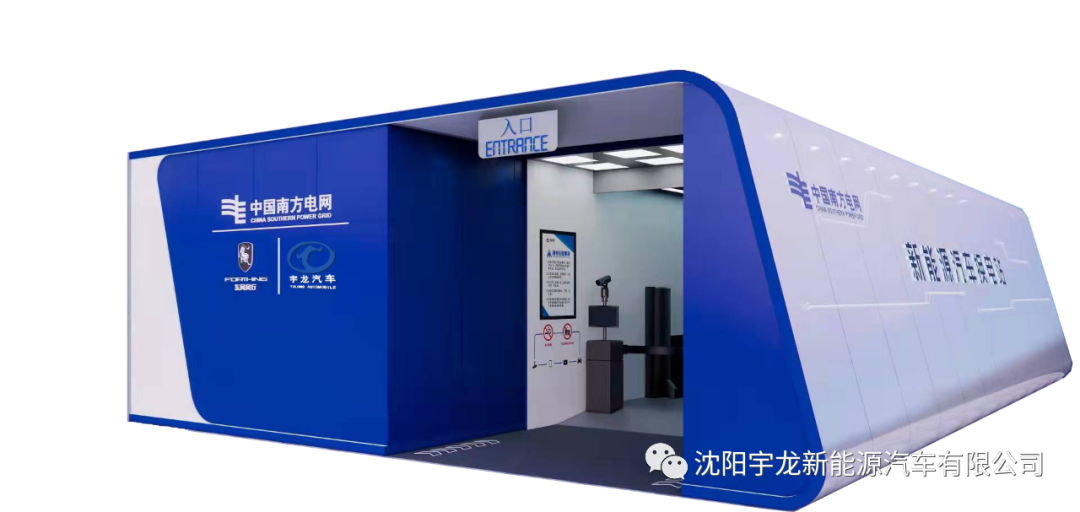
The construction of new energy vehicle swap stations can play a role in leveling peaks and filling valleys, reducing electricity costs, quickly replenishing energy, and helping to save energy and reduce emissions.
Flat peaks and valleys
The new energy vehicle swap station can choose to charge the batteries stored in the station at a specified time, and distribute the batteries to the battery-swapped version of the new energy vehicle during peak hours, which realizes flat peaks and valleys, reduces the burden on the grid, and optimizes the efficiency of grid usage.
Reduce electricity costs
Reduce electricity costs by using electricity during valley hours and peak hours.
Fast energy replenishment
The power exchange station is used to replace the power supply for the corresponding model, reduce the charging time of the new energy vehicle, improve the experience of using the new energy vehicle, and greatly improve the charging time of the new energy operating vehicle.
Help energy saving and emission reduction
The energy storage system transfers low-carbon-emission electricity during off-peak hours to use during peak hours, thereby reducing the consumption of high-emission energy sources, which is conducive to energy conservation and emission reduction.
Yulong New Energy Vehicle Breeze Photovoltaic Energy Storage Charging and Swapping Station
Breeze photovoltaic energy storage charging and replacing integrated solution
Integrating wind power, photovoltaics, energy storage, charging, and power exchange into one, and building corresponding commercial supporting facilities at the same time, can provide customers with a better charging and exchanging experience, and provide one-stop services for new energy vehicle owners to promote The formation of the new energy vehicle after-service market.
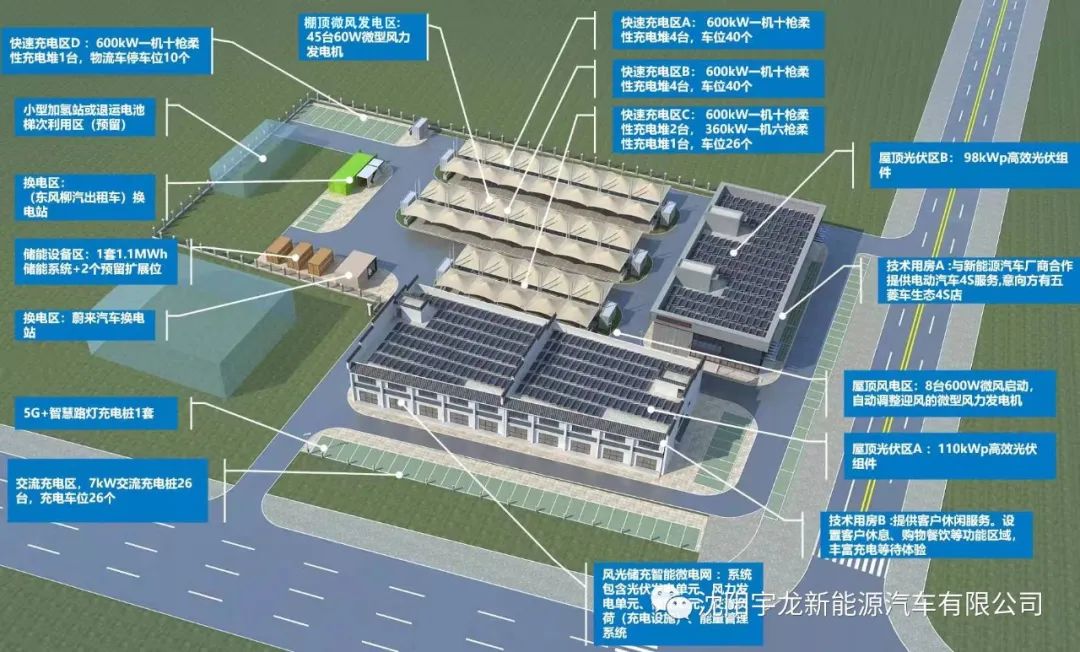
Solar photovoltaic panels are laid above the integrated station, and breeze generators are erected around the station. The green electricity generated is stored in the batteries in the warehouse as a supplement to the electric energy of the power exchange station to maximize the use of clean energy. At the same time, it is equipped with a 180kW DC fast charging pile, which can control the charging and replenishment of new energy vehicles in about half an hour. Fast charging also alleviates the problem of difficult charging of urban new energy vehicles. At the same time, the battery swap mode provides faster energy replenishment for new energy vehicles. It eliminates the impact on operating income during charging, etc., and is more conducive to the popularization of new energy vehicles.

The "14th Five-Year Plan for New Energy Storage Development Implementation Plan" issued by the two departments proposes that by 2025, new energy storage will enter the stage of large-scale development from the initial stage of commercialization, and meet the conditions for large-scale commercial application. Combining green energy with new energy storage technology will become an important way for the promotion and development of new energy vehicles.